The Beginning of the End: When DEC Faced Global Headwinds
Success in the UK was no safeguard against global challenges for Digital Equipment Corporation. By the 1990s, a changing business climate and decisions taken by its US parent left DEC struggling against a new breed of fast-moving technology companies.
Falling sales and a difficult economy resulted in the first redundancies in 1991. It was the beginning of the end of “the DEC way” – a philosophy from co-founder and chief executive Ken Olsen that placed a strong emphasis on loyalty. DEC had previously resisted layoffs – retaining and redeploying staff until business recovered.
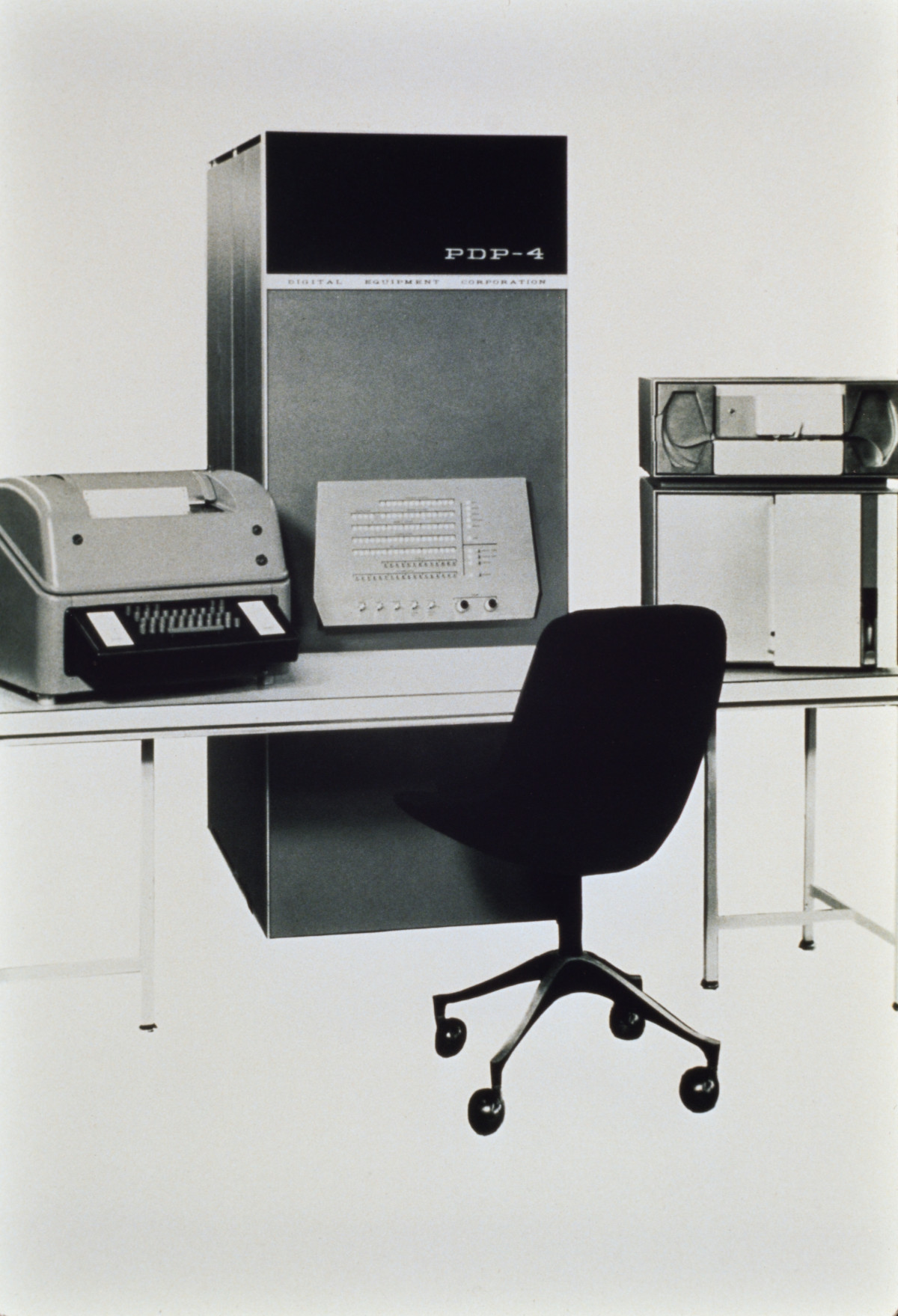
PDP-4
A year later, however, Olsen was gone and new CEO Bob Palmer made further cuts while also merging, closing and selling operations.
DEC effectively came to an end when Compaq Computer Corp bought the company in 1998. It was a bitter pill to swallow for DEC’s employees: Compaq hadn’t simply beaten DEC with its cheaper, mass-market PCs - its culture was different, with little value placed on engineering and R&D. The parts of DEC that survived Compaq passed to Hewlett-Packard, who bought Compaq just four years later.
Reading has continued to thrive since those days - but what’s next for the tech town as computing nodes and network pathways take on a whole new significance?
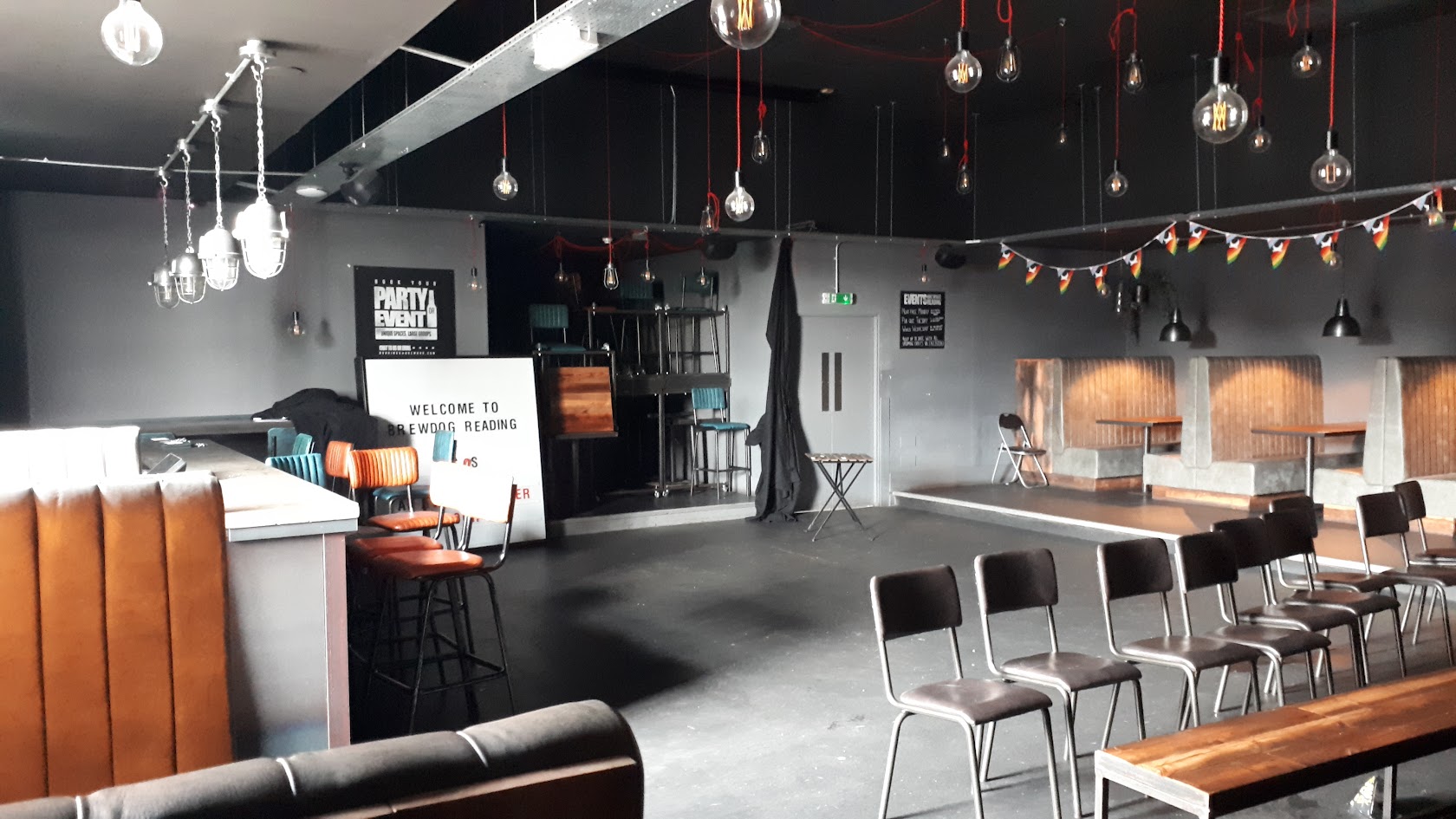
Above today’s BrewDog pub lies a room that once helped shape the future. In April 1964 this space was transformed into Digital Equipment Corporation’s first UK office
Big Tech and Startups: Reading’s Next Chapter
Reading’s technology journey began with centralised corporations such as DEC – but its future is smaller and entrepreneurial in character. This will bring opportunity and challenge.
Software, data and devices have become hot areas. Further, Reading’s expanding flexible workspaces will eliminate the need for companies to commit to expensive office space. Ideas and innovation can, and will, come from anywhere – and come to market faster.
Land and space that attracted DEC and others will evolve. The era of large business parks is giving way to green spaces of combined housing and services with transport links.
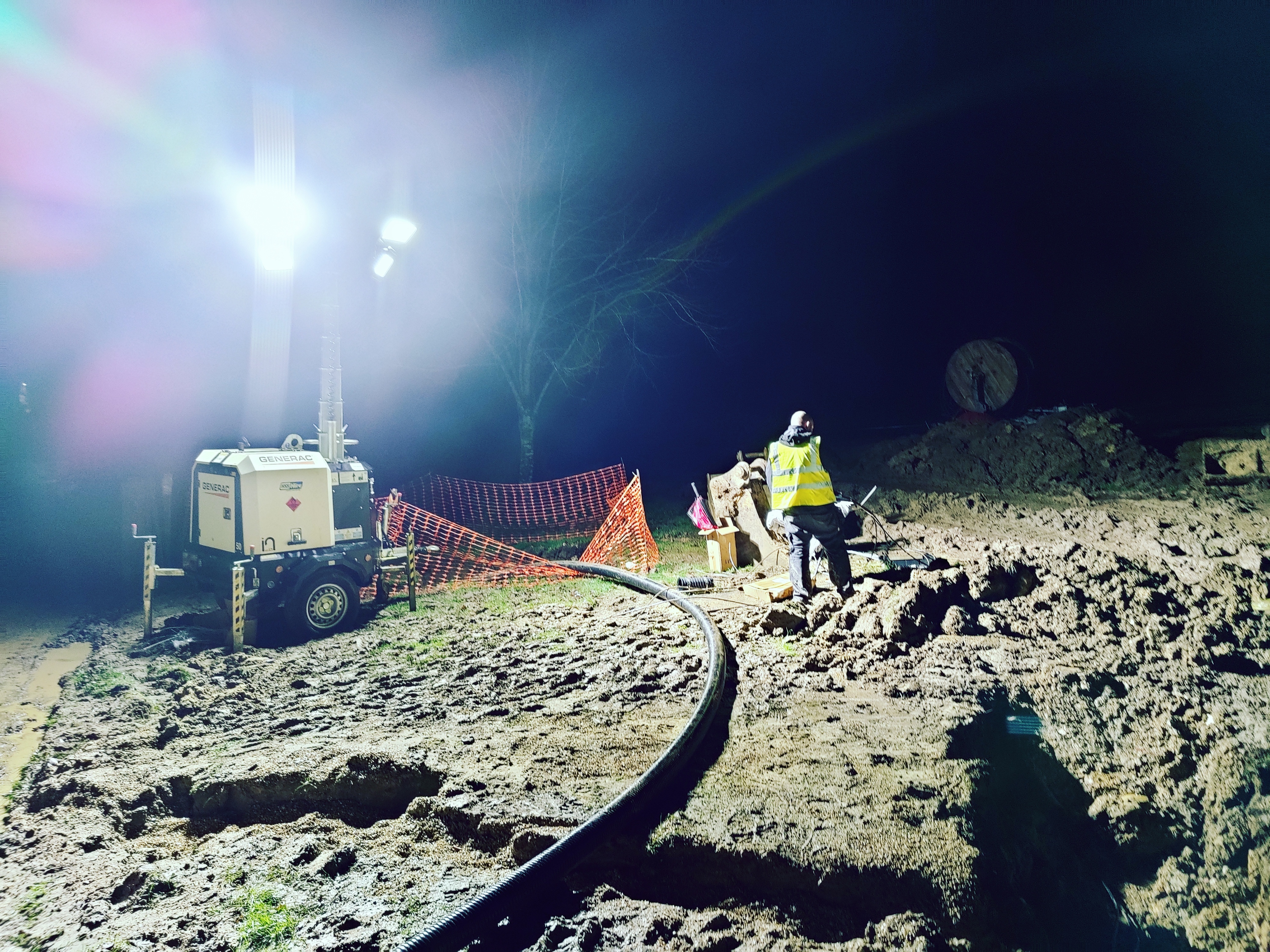
Berkshire Fibre Optic laying cable (Image: MR Cable Limited)
Rail and Renewal: Reading’s New Look and Links
The appearance of Reading’s town centre will change, too. New buildings will mean new architectural styles but conservation and repurposing are also now headline concerns.
Transport has been a driving force in Reading’s fortunes and the town’s status as a transport hub is guaranteed. Following major renovation, Reading station is ready to receive 30 million passengers a year and provide faster journey times with greater connectivity. The Elizabeth Line also now plugs Reading into start-up clusters and funding in the heart of London.
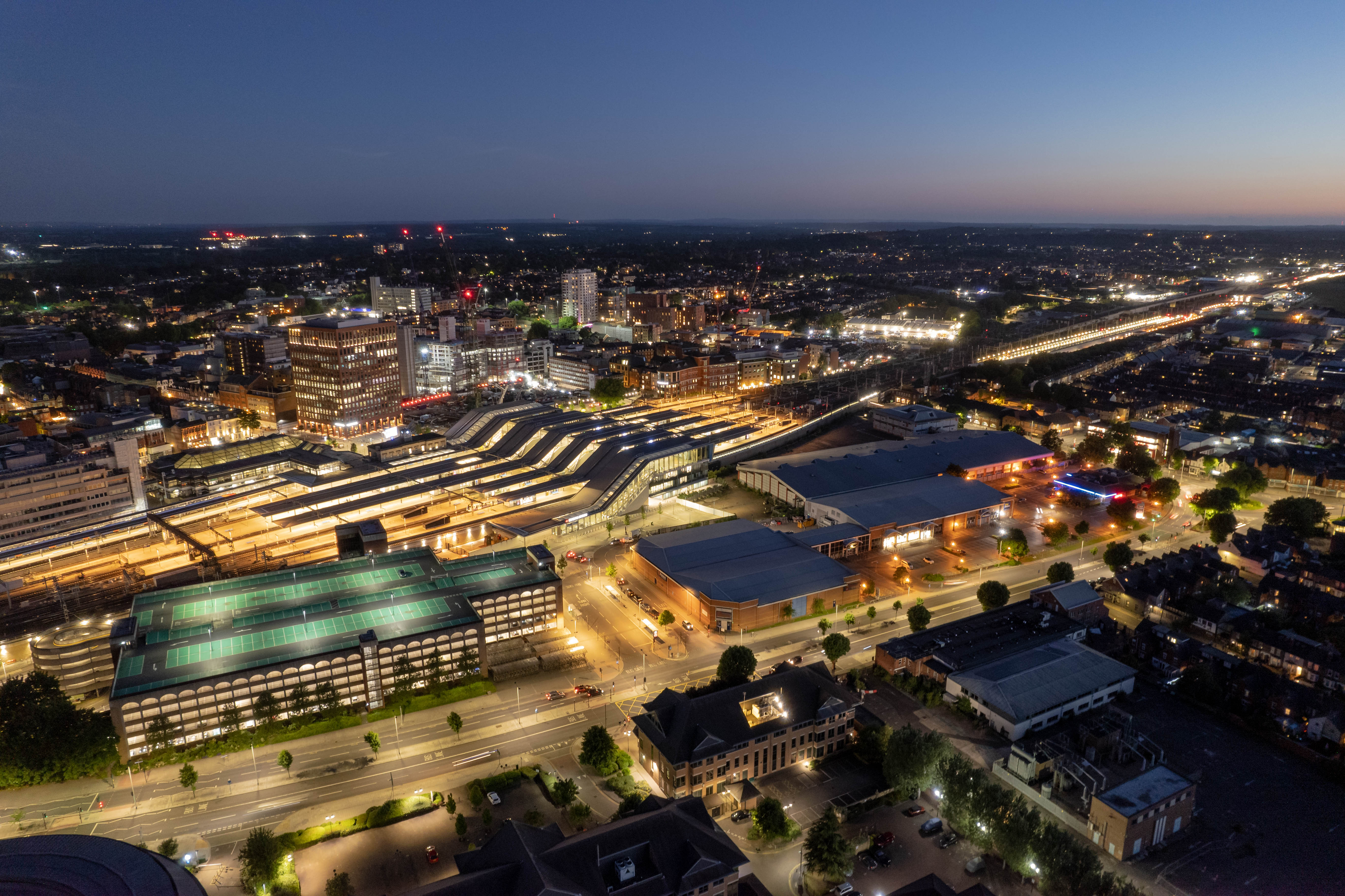
Drone shot of Reading Railway Station (Image: James Singleton jsaerial.co.uk)
Beyond Growth: Reading’s Social Challenge in the Digital Age
Perhaps the town’s next greatest challenge will be social. Decades of business growth and planning initiatives have failed to erode Reading’s poverty and inequality - among the highest in the UK.
This isn’t just a story of social division; it's one of wasted human potential. Reading businesses and community leaders will need to address this. And, like everywhere else, Reading must adapt to the internet, social media - and AI.
The online world was born of an optimism to share information and connect - and Reading companies played a leading part in its development. That optimism has given way to concerns about the impact of misinformation and influencers on people, politics and society.
And, as with DEC’s innovative ALL-IN-1 in the 1980s, AI will mean the loss of certain jobs and new opportunities – the question is, which jobs and what opportunities?
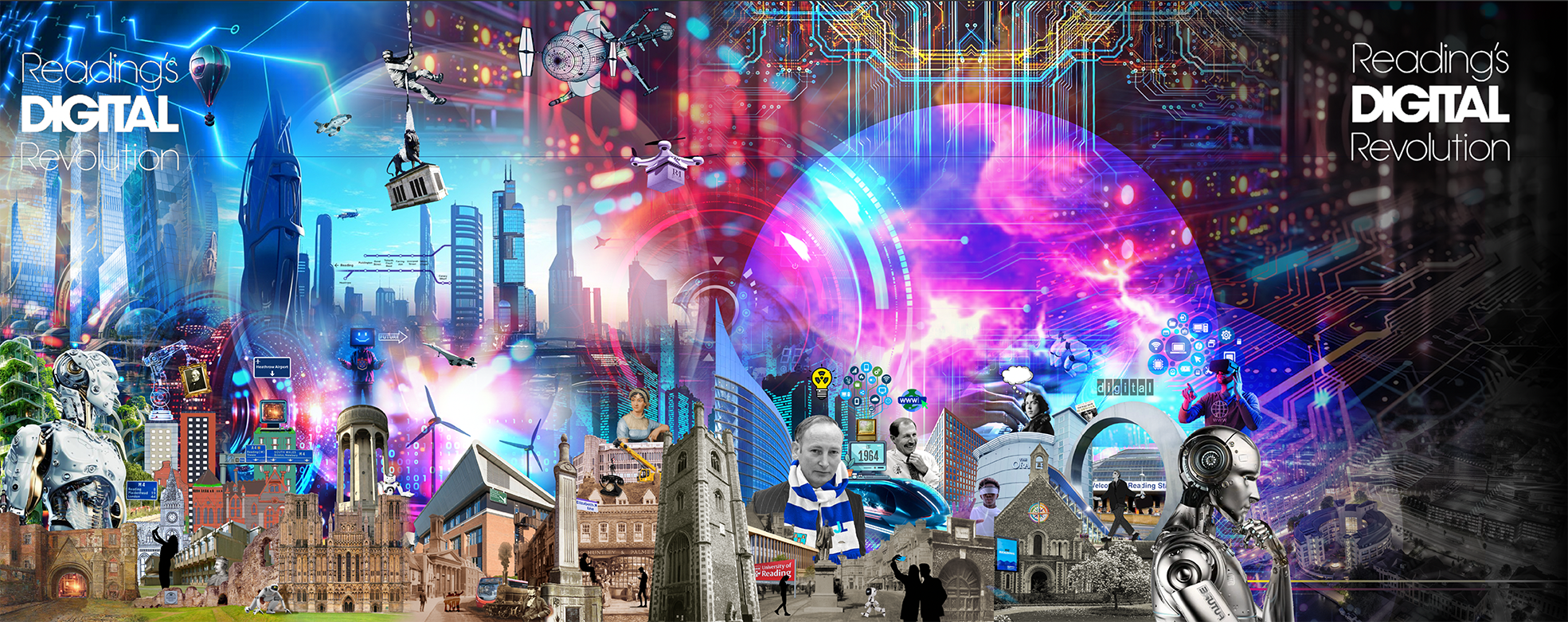
Justin Eaglton mural
From Canvas to Code: Young Voices and Jessica Brauner’s creative vision
Reading fine artist Jessica Brauner joined forces with students from the Institute of Technology at Reading College and Young Voices, a dynamic group of young people from Reading shaping conversations that matter. Together, they created a bold video artwork for Reading’s Digital Revolution, amplifying youth perspectives on the future of tech.
The piece dives into hot topics: online safety, AI risks, and the job challenges of tomorrow. It’s a striking reflection of how technology shapes our lives.
Jessica’s creative process was enriched by insights from Professor Kathy Pain of Henley Business School and an unforgettable exchange with John Leng, the 93-year-old founder of DEC UK. John shared his vision for Reading’s future and even flew in from Arizona to be guest of honour at the exhibition launch.
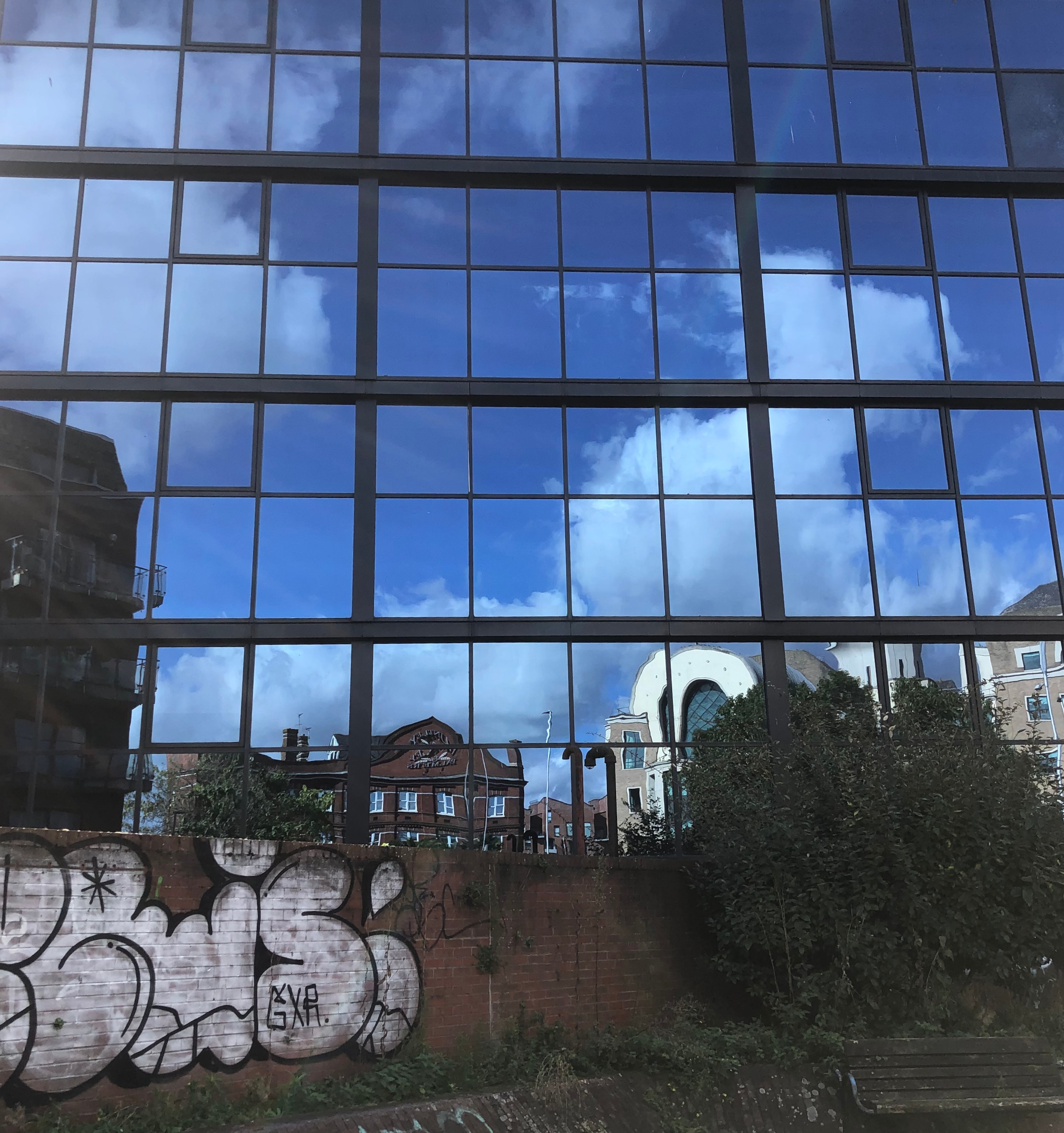
Old buildings are seen reflected in the hi-tech glass building. (Image Courtesy of Jessica Brauner)
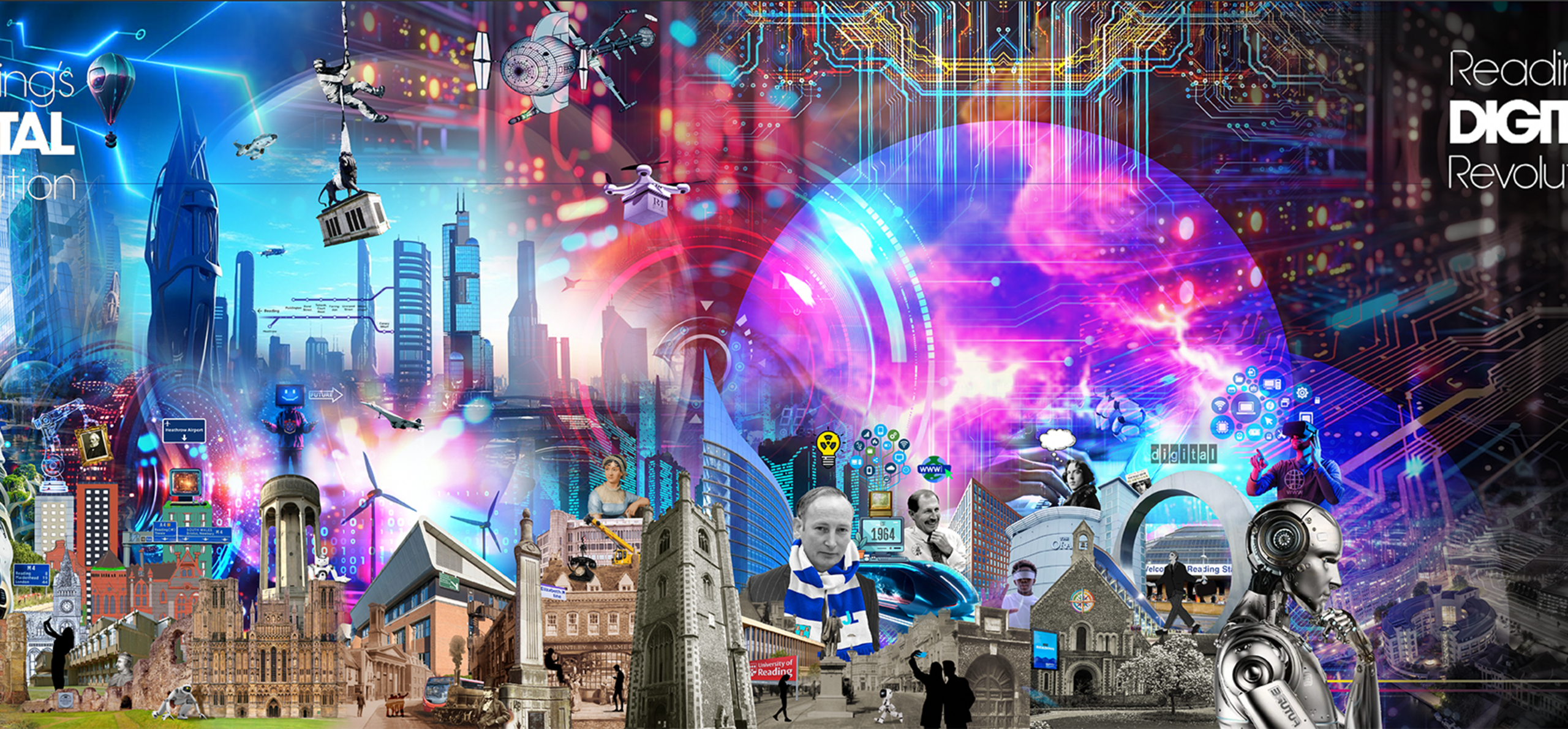
Technê Logia’ depicts a vision of Reading’s technological and digital development 25 years into the future, in the year 2050. The name of the work is taken from the Greek origin of the word ’Technology’, with ‘Technê’ meaning craft and skill, and ‘Logia’ referring to the words of Oracles”
Jessica Brauner - Jessica Brauner
Return to the Reading's Digital Revolution homepage or explore the next section: Collection Highlights