The Reading Digital Revolution project uncovers Reading’s journey: from Digital Equipment Corporation’s arrival in 1964 to the rise of today's Silicon Thames Valley.
Why Reading became Britain's first tech cluster
Reading’s journey from a manufacturing town to Britain’s first technology hub began with a bold move in 1964: Digital Equipment Corporation (DEC) chose Reading as its UK base. That decision would spark a transformation, attract global tech giants and create the country’s largest tech cluster outside London.
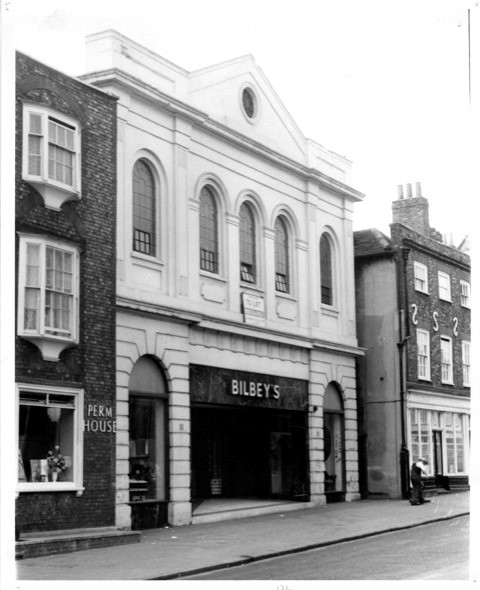
DEC opened its first UK office above Bilbey's Furniture shop on Castle Street in 1964
Today, Reading stands at the heart of the UK’s digital corridor—a story of innovation, infrastructure, and people that continues to shape our lives.
From Factory Floors to Silicon Thames Valley
The arrival of DEC turned Reading from a manufacturing town into Britain’s first technology hub. While not Reading’s only early computer company, DEC quickly became the town’s biggest commercial employer.
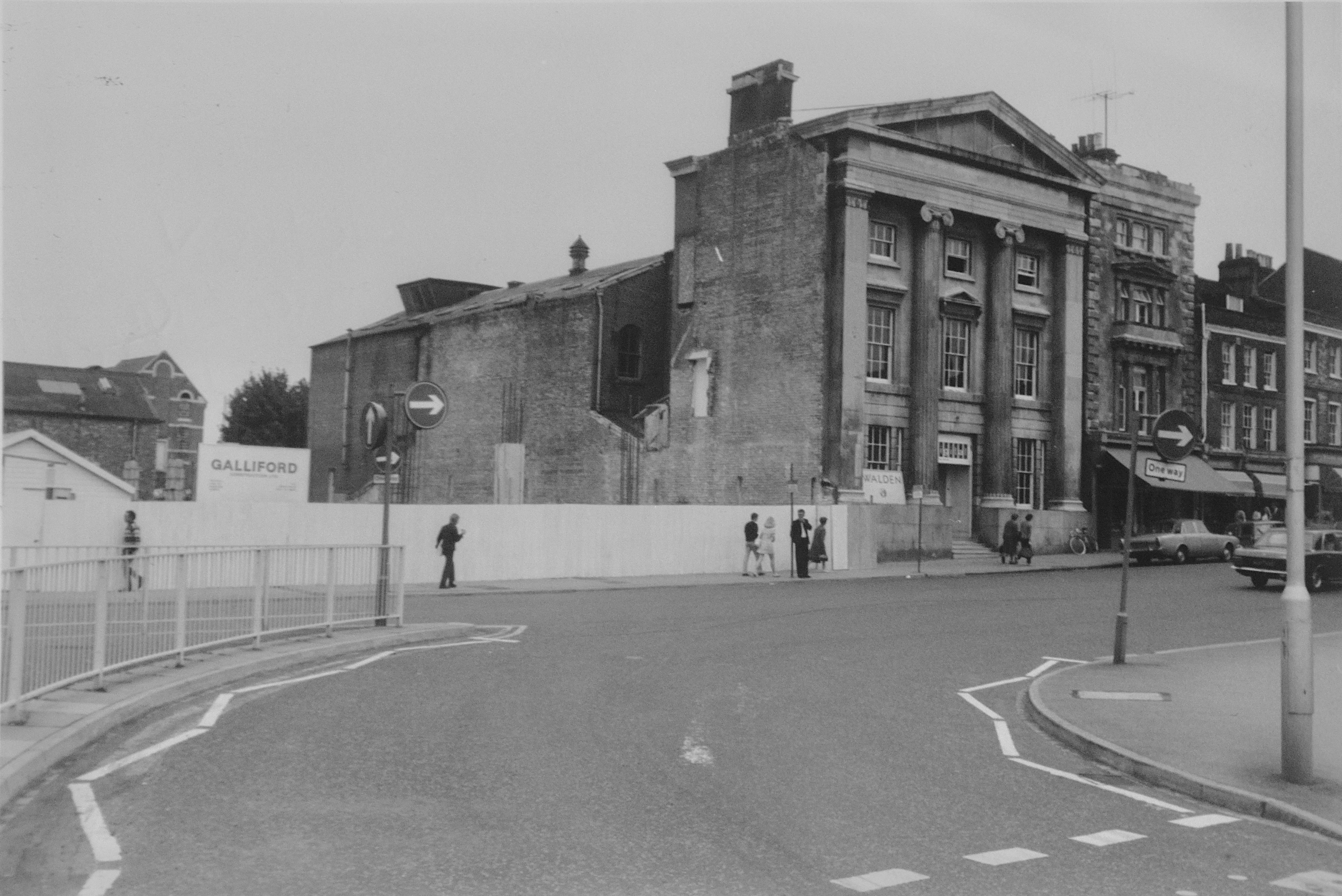
DEC opened its European training headquarters in the former Scientific Institute on London Street, boosting the town's economy with trainees arriving across the globe
As DEC expanded, the factors that drew it to Reading lured others including Microsoft, Oracle, Cisco Systems, Hewlett-Packard and Huawei Technologies. Today, more than 11,000 companies in information and computer technology occupy the Greater Reading area.
Six decades after DEC arrived, Greater Reading counts as the nation’s largest tech cluster outside of London, with a line of companies connected through the M4 corridor.
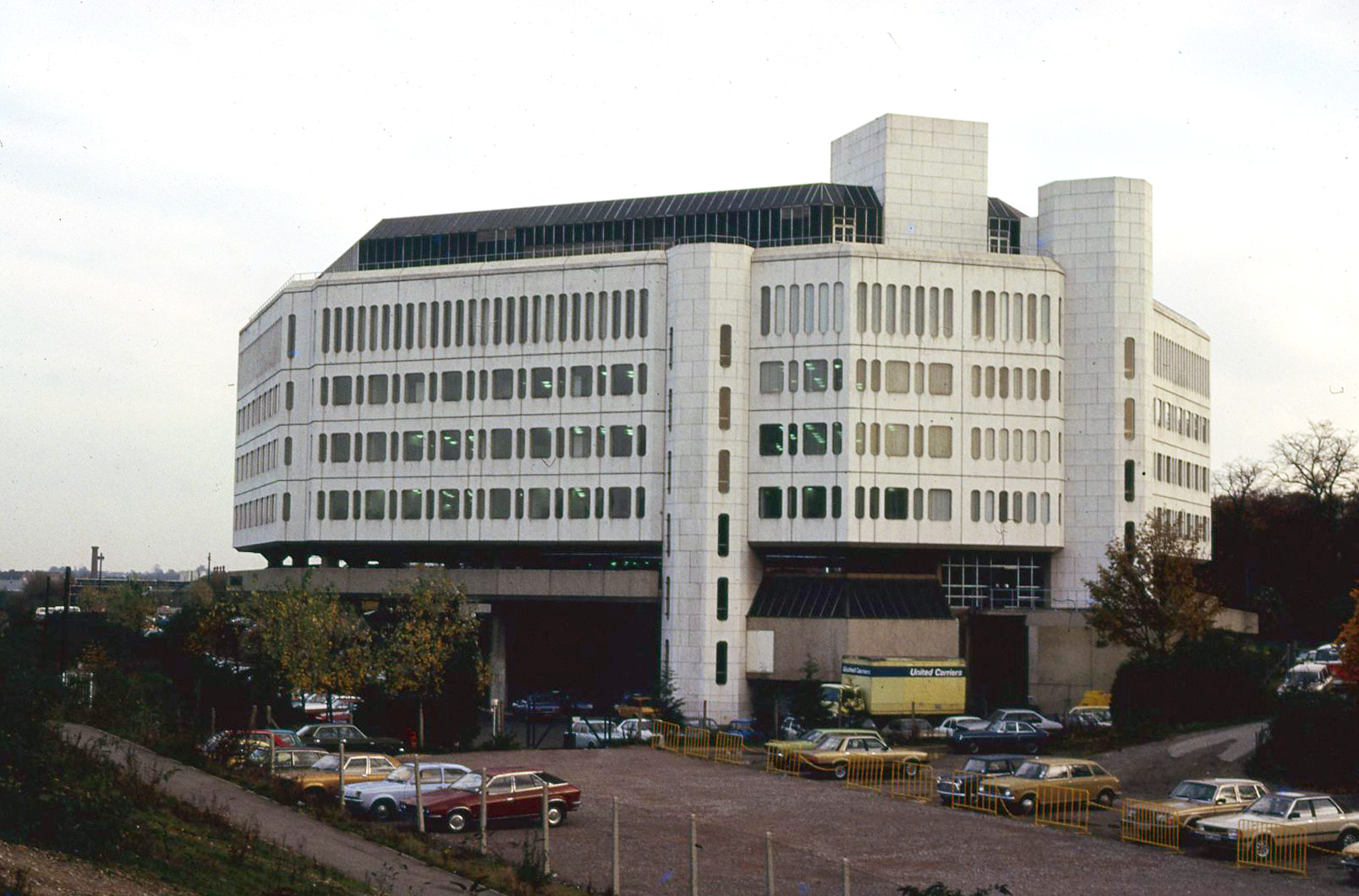
Before building its bespoke HQ at Worton Grange, DEC chose the Metal Box building near the station to house some of its fast-growing workforce. A controversial local landmark during its day, the building could hold several thousand people
Rails, Roads and Runways: How Infrastructure Fuelled Innovation
Three forces have helped cement Reading’s position as a centre for technological innovation: Transport and office infrastructure, access to a skilled local labour force, and the presence of fellow technology firms.
It was convenient and easy access to transport that helped attract DEC with the newly built Heathrow Airport, fast local A-roads and then the M4 which dramatically sped-up journey times.
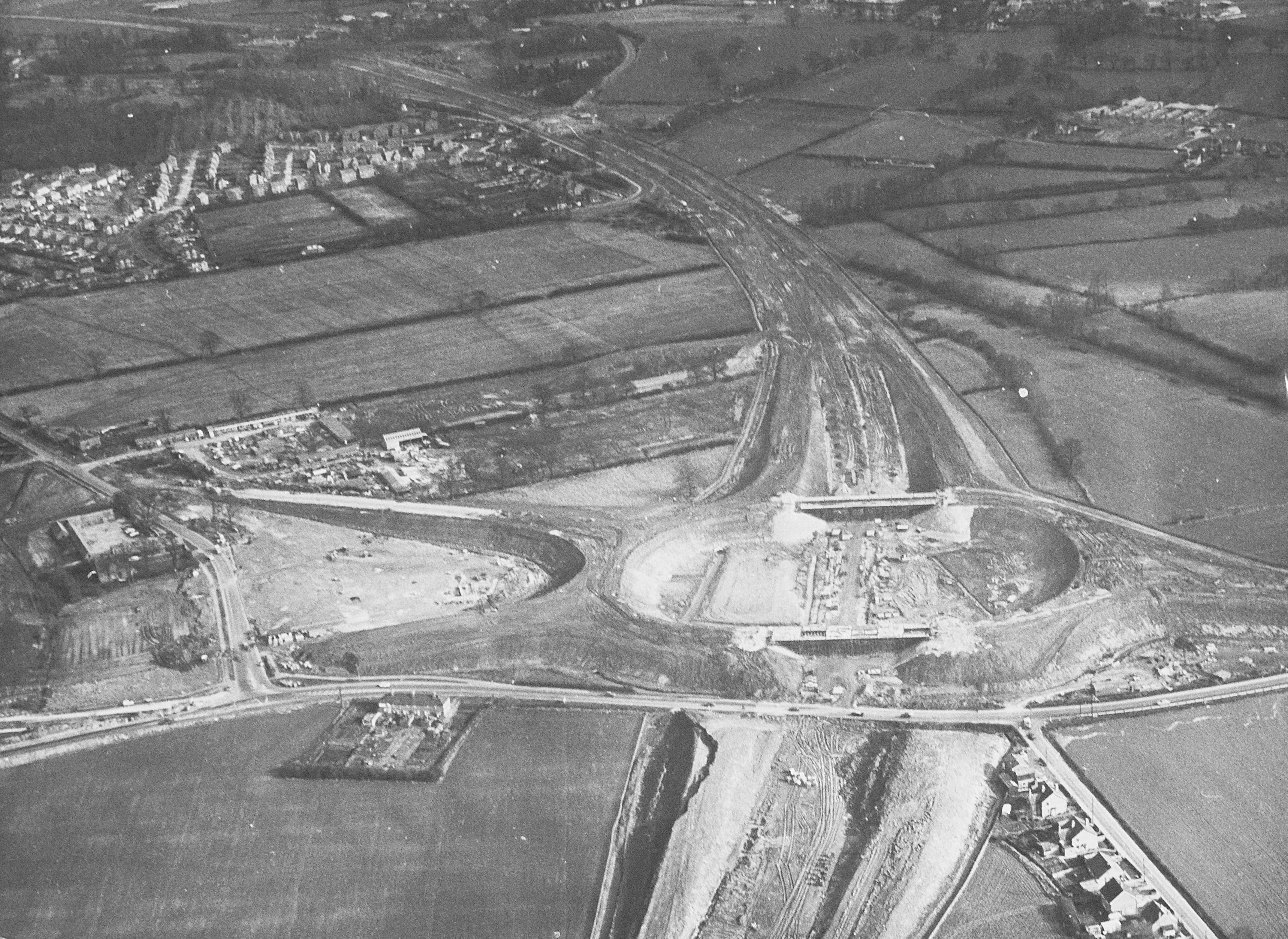
The M4 helped plug Reading into regional economic centres outside the South East through a network of high-speed roads. A multi-decade feat of construction, the M4 cut through fields between London and Wales with Reading's Junction 11 opening in 1971
DEC’s executives fanned out across the county and Europe to meet customers and partners. Heathrow, with its growing transatlantic links, put the US on Reading’s doorstep.
The railway has been synonymous with Reading since the Great Western age of Isambard Kingdom Brunell under Queen Victoria. During the 20th and 21st century, however, faster trains slashed journey times between London and across the network.
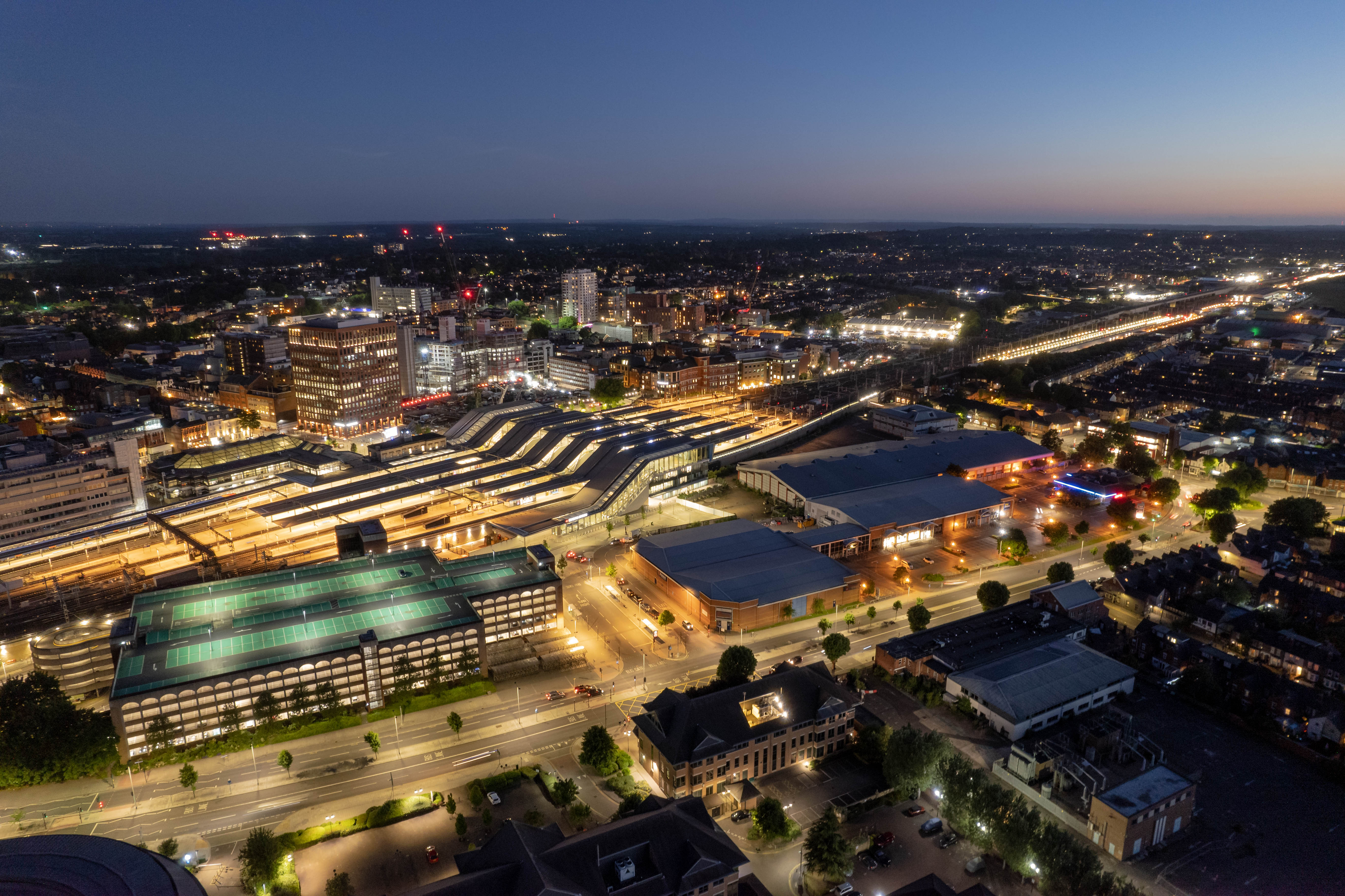
Reading's hi-tech landscape from above, connectivity and transport links have created the conditions to make Reading a great location for the Tech industry. (Image Courtesy of James Singleton, jsaerial.co.uk)
Bridge House to Business Parks: Building Space for a Tech Future
Land and space for growth in Reading played a strong part in attracting businesses. British computer company International Computers Limited (ICL) joined DEC in Reading early on, at Bridge House. ICL moved a software team out of west London for more space at a better price.
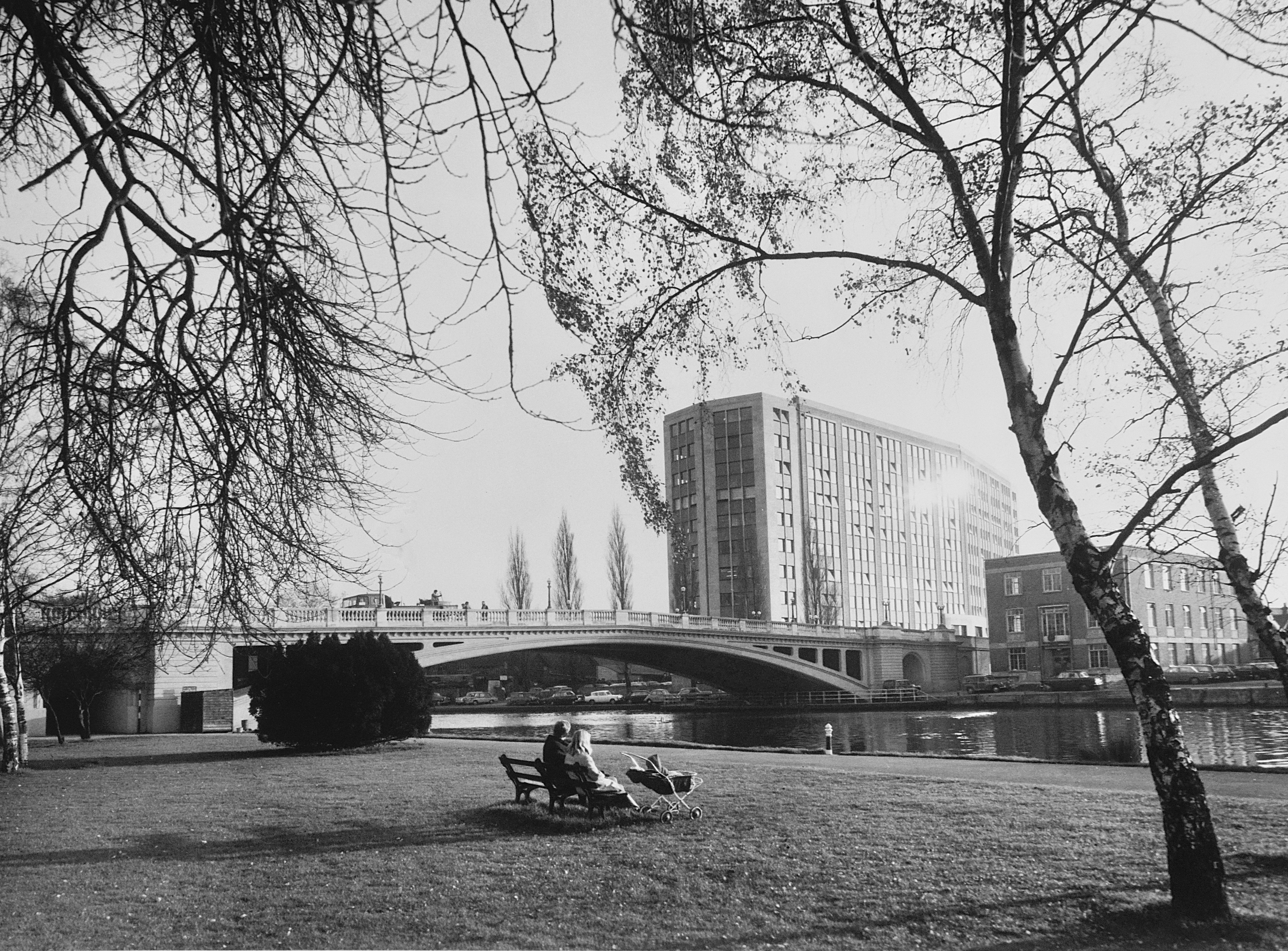
Reading's first 'skyscraper' played a key part in Harold Wilson's scientific revolution. Bridge House was home to the software engineering department of International Computers Limited (ICL), created by his Government as Britain's 'official' computer film
It was DEC, however, who put Reading on the technology map, quickly growing from two staff in 1964 to more than 2,000.
Unable to find enough existing office space in Reading, DEC built its own office - DEC Park - in 1981 just off the M4 at Worton Grange to help serve as a base for future growth. DEC Park was Reading’s first business park, but it was the town’s planners who took the idea further, breaking ground on further parks.
Thames Valley Park (TVP) was the first - beginning in 1988 with the regeneration of the industrial Earley Power Station site. Microsoft and Oracle were TVP’s best known residents with Microsoft later completing its biggest property investment outside the US at TVP to house 5,000 staff.
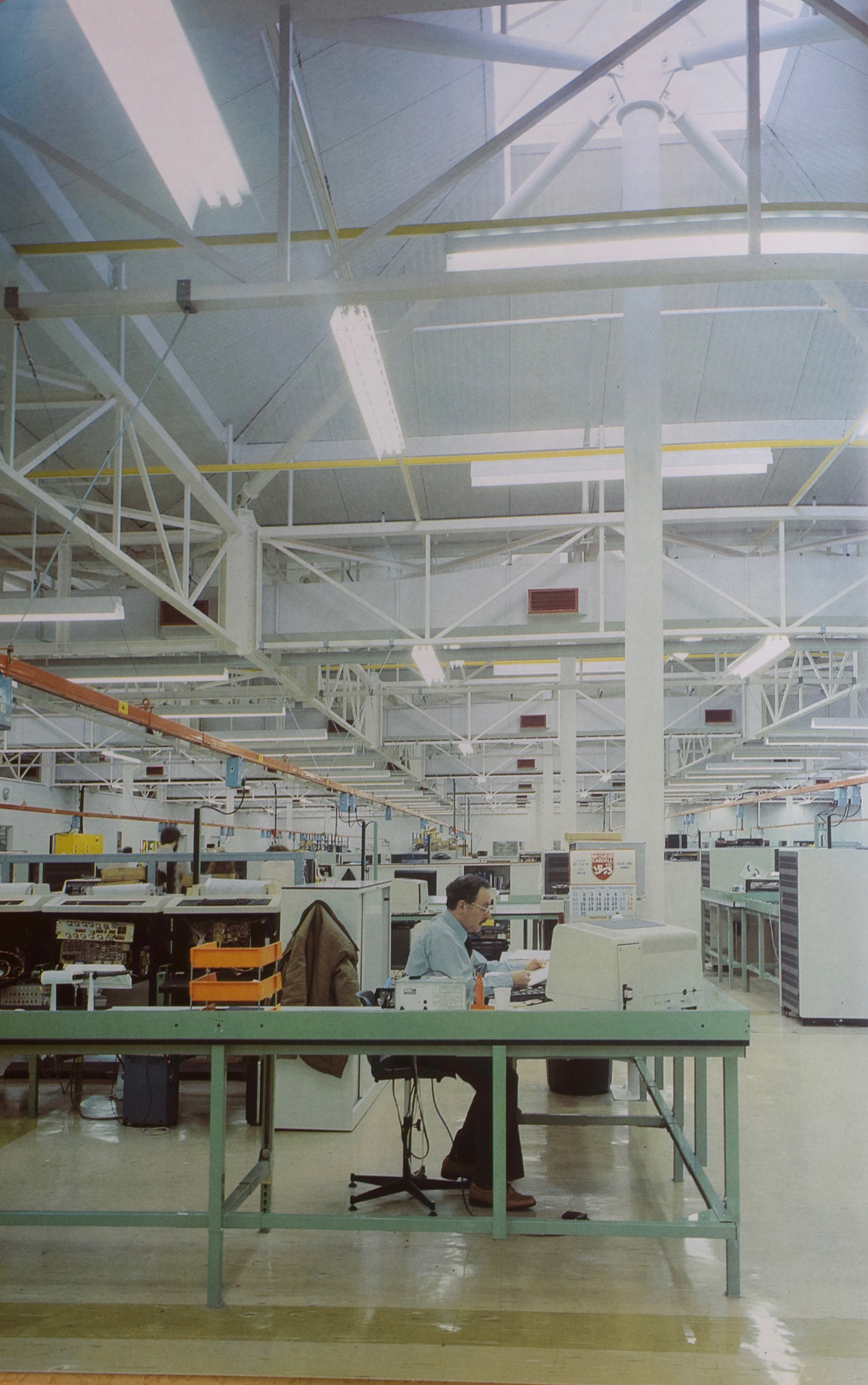
Inside the assembly line at DEC's purpose built DECPark Campus at Worton Grange. By the 1980s Reading's tech industry was attracting some of the world's most talented computer scientists, engineers and sales personnel
From Campus to Cluster: Building a Tech Powerhouse
From DEC Park to Thames Valley Park, Reading built the spaces that housed tech titans and fuelled decades of growth.
A skilled workforce, world-class transport links, and a vibrant university ecosystem have made Reading the beating heart of the UK’s tech corridor. Reading’s population and status as a university town have created fertile ground for tech employers.
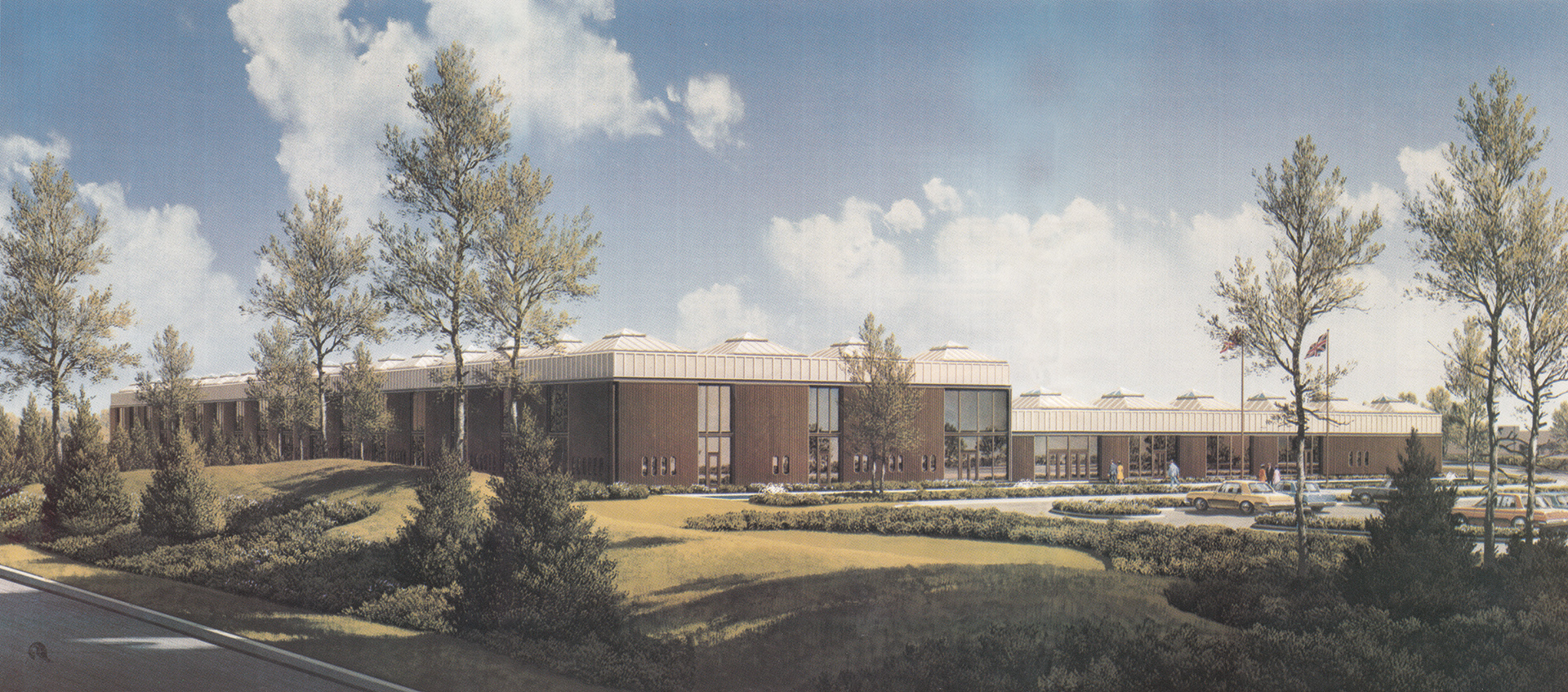
After years of squeezing into available buildings across town, DEC commissioned a purpose-built facility at Worton Grange. Home to more than 1,000 staff, DEC Park capitalised on two of Reading's oldest resources: space and access to transport
Generations of corporate relocation have produced the educated local population employers value. Further, Reading’s status as a transport hub has turned it into a catchment town drawing in skilled workers from across the Thames Valley, Oxfordshire and London.
The University of Reading enriches that pool. It produces graduates in computer science, data science, mathematics and engineering and opens the door to collaboration: Reading University’s Institute for Environmental Analytics and Thames Valley Science Park foster links between industry and projects in applied research.
Finally, Reading has become a thriving tech cluster because of the presence of an established and growing base of technology companies. The concentration of knowledge and skill and potential for networking and recruitment have drawn others to Reading.
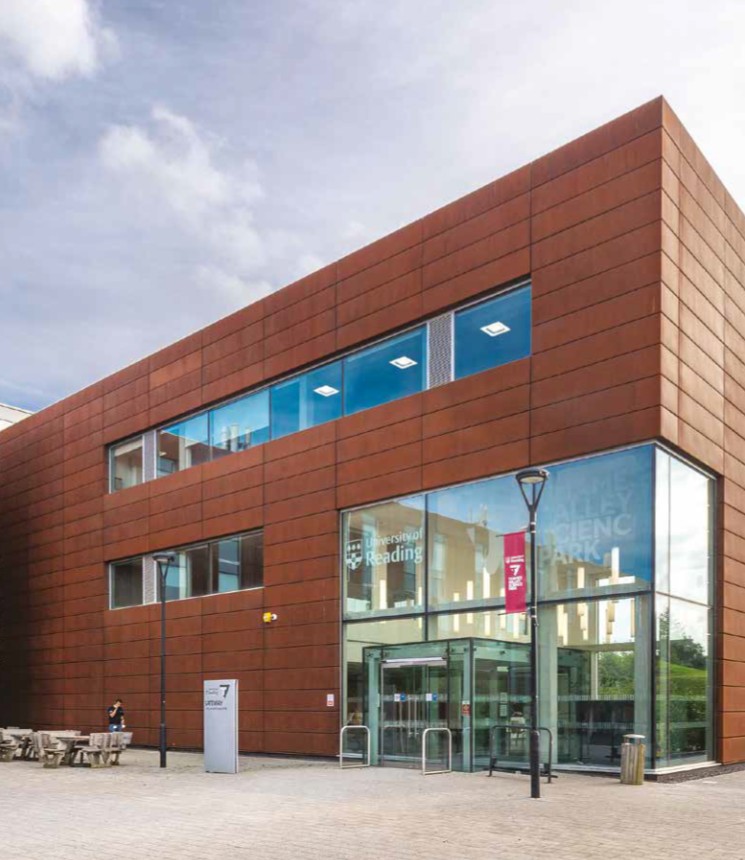
The 42-acre Thames Valley Science Park is expected to be the biggest science and business park in the region and one of the largest in the South East. A combination of modern laboratory and flexible workspace in a campus setting
The Ripple Effect: How Tech Giants Kept Reading Growing
From DEC to Compaq to HP, corporate takeovers and talent mobility kept Reading at the forefront of Britain’s tech revolution.
Talent doesn’t stay still in Reading, staff have hopped between tech giants, and many have struck out to launch their own startups. It’s a dynamic pattern that started with DEC and continues to fuel the region’s innovation today.
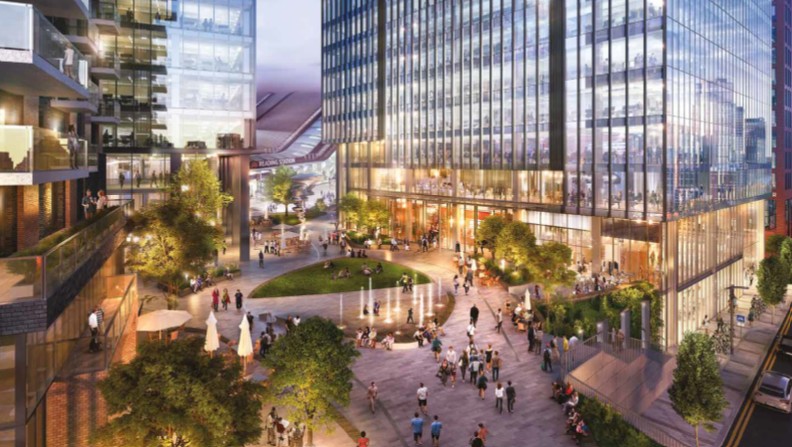
The diverse hi-tech community and culture left behind by DEC and ICL have sunk deep roots over the following decades, turning Reading into the UK's first high-tech cluster. (Image Courtesy of Lincoln Property Company)
Sometimes, companies have landed in Reading on the back of corporate manoeuvres. Compaq Computer, the most successful personal computer maker of the mid-1990s, came to Reading when it bought DEC in 1998.
Hewlett-Packard arrived when it bought Compaq on its march to become the world’s number one PC maker and take DEC’s computer server business.
Reading has emerged as a leading technology hub thanks to a unique combination of factors: a high concentration of tech companies, skilled workforce and research community, and excellent infrastructure. DEC recognised Reading’s potential, showing the way for others.
Reading's Digital Revolution Project: Keeping the Story Alive
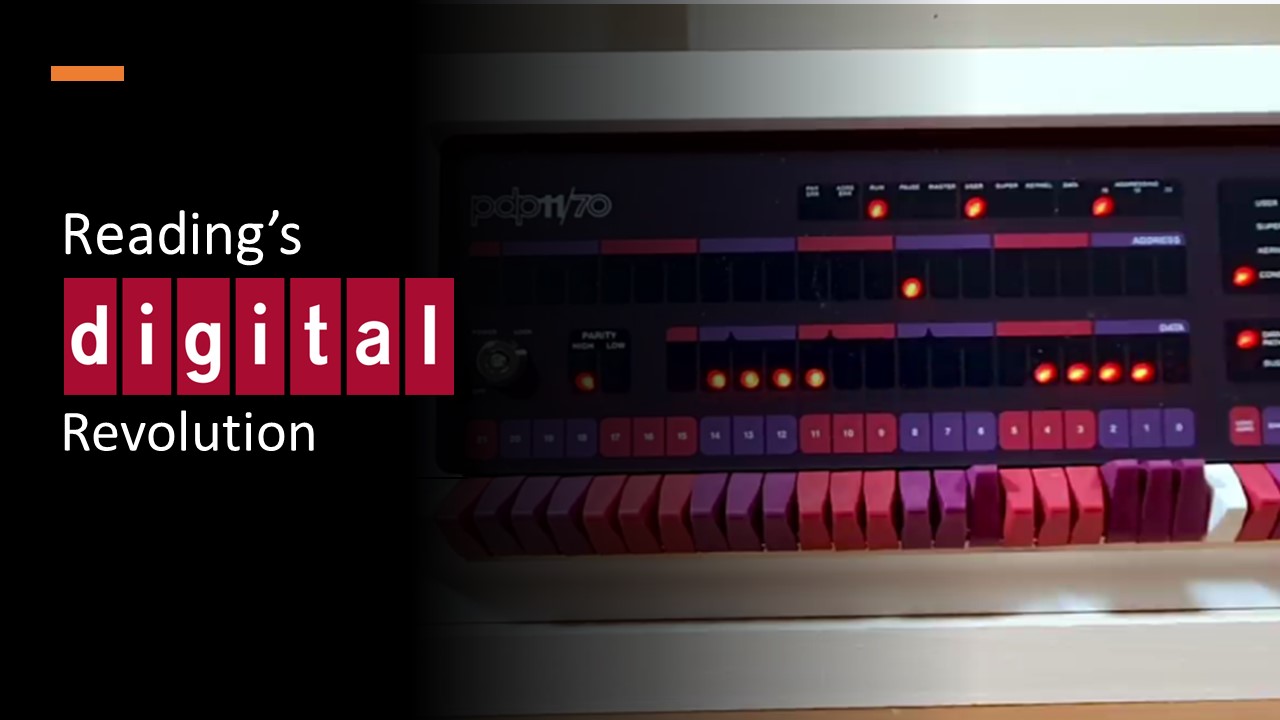
The story of DEC and Reading’s rise as a technology powerhouse is remarkable—but it’s not complete. Much of this history still lives in the memories of those who built it, and without action, these voices risk being lost. Recognising this, Reading Museum set out to dig deeper: to capture personal stories, preserve artefacts, and explore how the digital revolution continues to shape our lives today. This commitment gave birth to the Reading Digital Revolution project—a journey into our contemporary history while it’s still unfolding.
We invite you to explore the following pages to discover how Reading Museum worked with many partners to turn living memories into a landmark research, exhibition and engagement project, capturing some of the human story behind the town’s tech revolution and exploring its impact today.
Return to the Reading Digital Revolution homepage or explore the next section: Discovering Reading's Digital Story