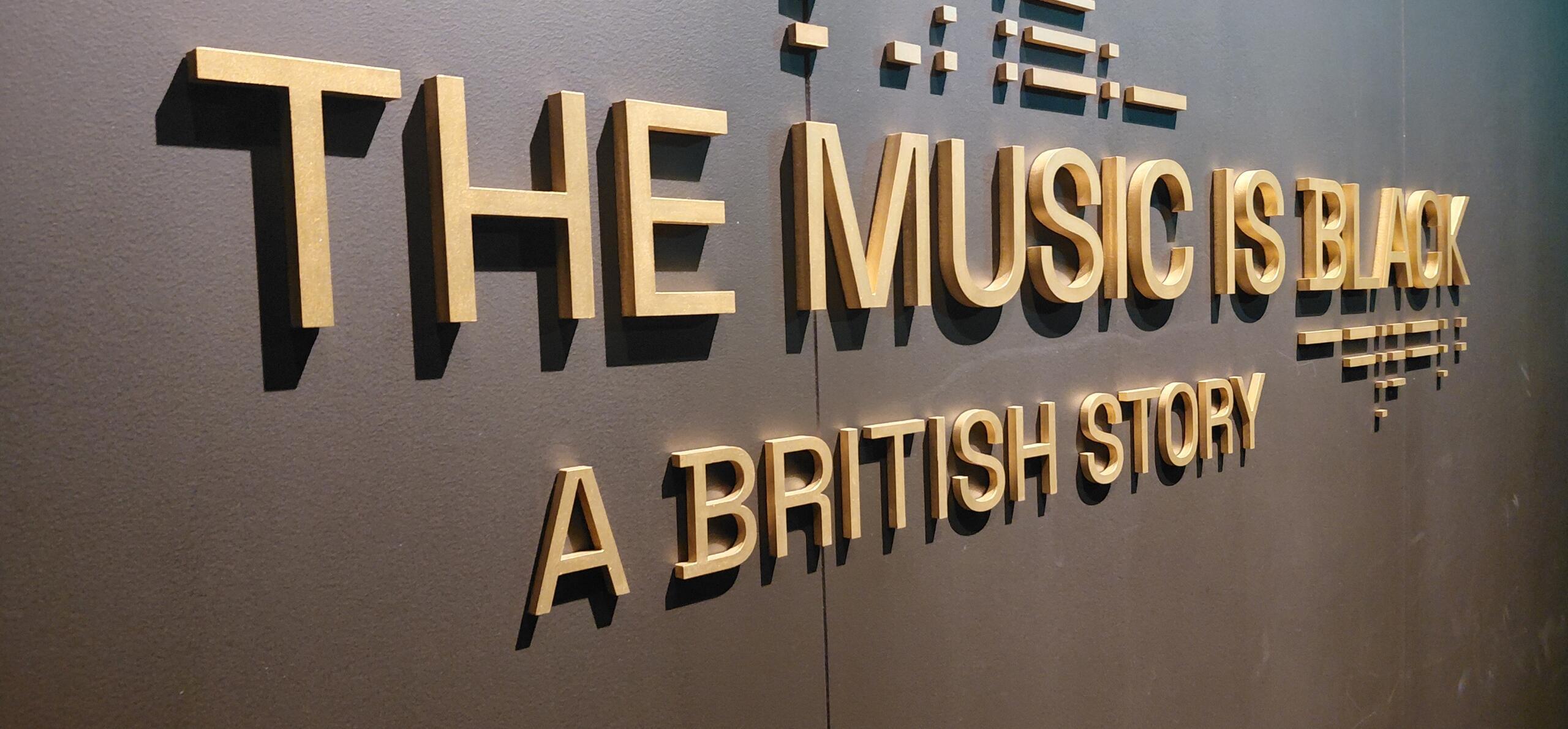
Reading Museum is delighted to have loaned one of its most distinctive and thought‑provoking objects to the newly opened V&A East Museum for The Music Is Black: A British Story, a major exhibition celebrating the depth, brilliance and enduring influence of Black musicianship in Britain.
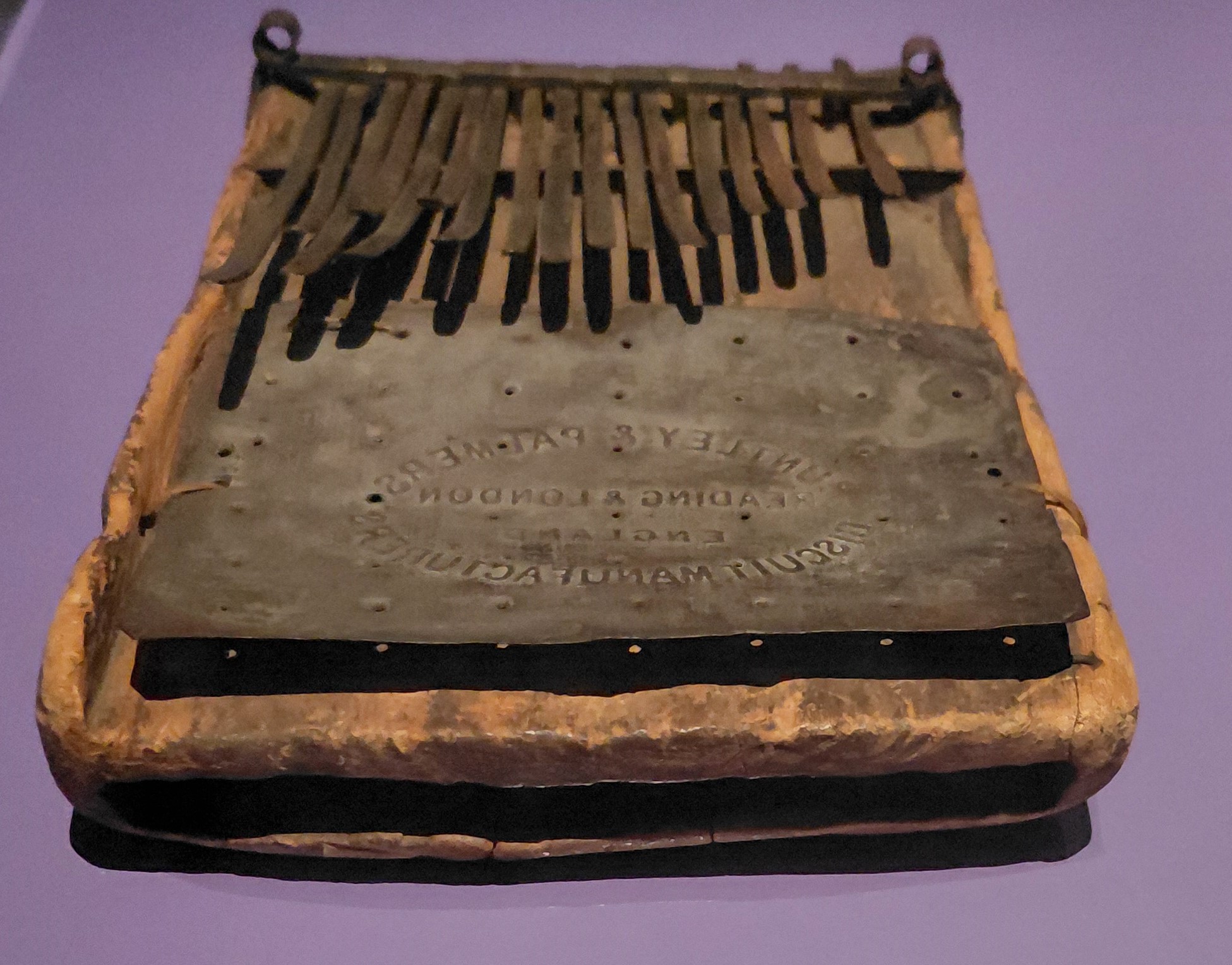
Made in Africa by an unknown musician, this instrument was created using a recycled Huntley & Palmers biscuit tin. Known locally as mbira, kalimba or sansi, it is often called a thumb piano or lamellaphone in Europe. Museum object REDMG: 1997.162.18
A small object with far‑reaching stories
The object on loan is an early‑20th‑century African thumb piano, also known as a sanza, mbira or kalimba ingeniously made using a Huntley & Palmers biscuit tin as its sound box. At first glance, it invites curiosity. On closer inspection, it becomes a powerful convergence of music, industry, empire, creativity and cultural survival.
The thumb piano comes from Reading Museum’s internationally significant Huntley & Palmers collection, which charts the extraordinary reach of Reading’s most famous biscuit manufacturer. By the end of the 19th century, Huntley & Palmers had become the world’s largest biscuit company, exporting across Africa, the Americas, Asia and beyond. Their decorative tins travelled vast distances and sometimes found new lives, beyond their original purpose.
This instrument, made in Africa in the early 20th century, re‑uses a standard Huntley & Palmers export tin. The biscuits may have been quickly consumed, but the tin remained, valued as a durable material and transformed into a musical instrument rooted in centuries‑old African traditions. Thumb pianos are found across Africa and come in many forms, each shaped by local musical heritage. This example bears similarities to ikembe types associated with the Congo region, though its precise origin is unknown. What is certain is that it represents adaptation, resourcefulness, and the continuity of musical culture under colonial conditions.
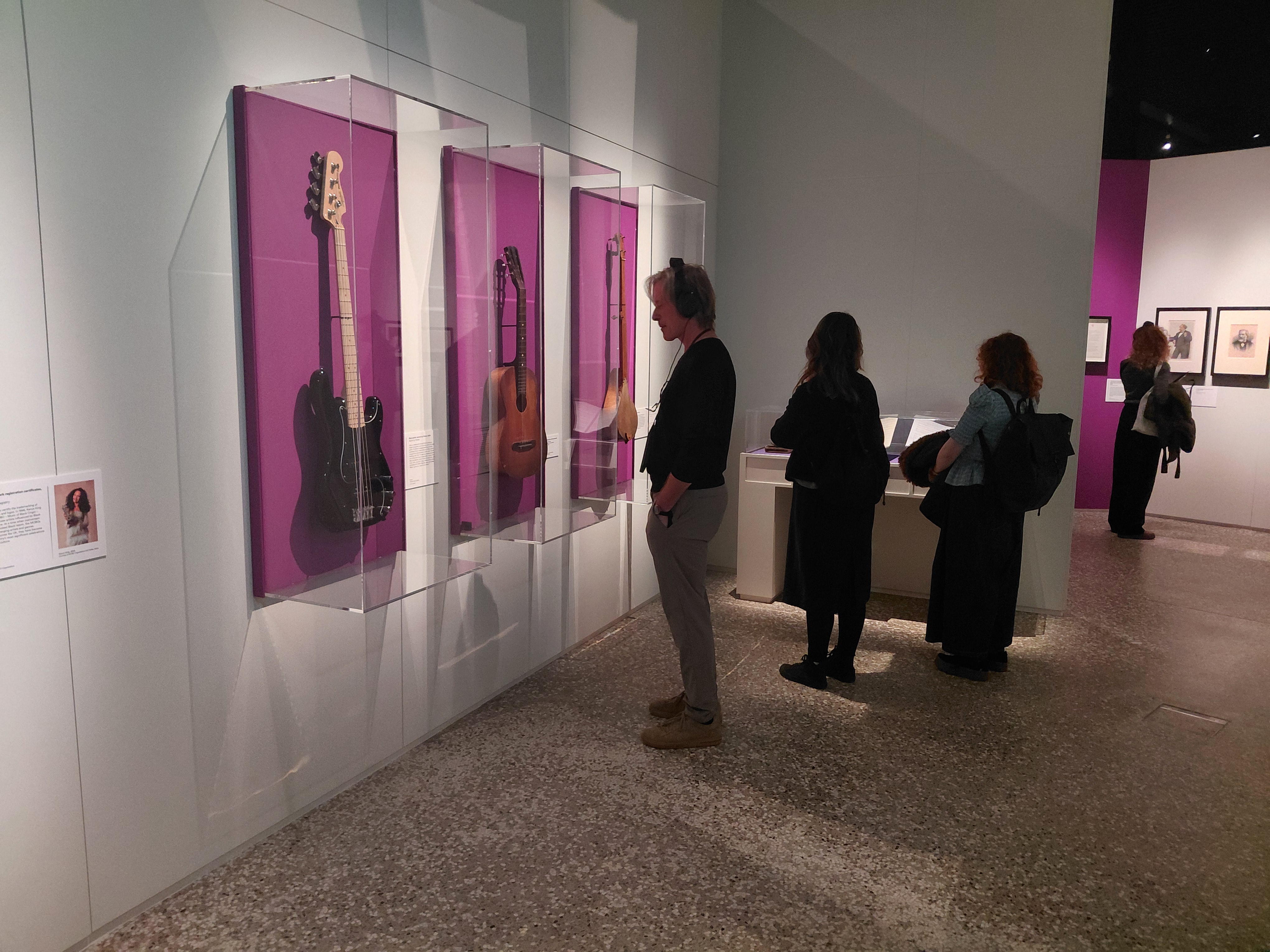
Visitors to the V&A East Museum's Music is Black exhibition
From Reading to the V&A — how museum loans work
Museums do not preserve objects simply to keep them behind closed doors. A vital part of curatorial work is lending objects to other institutions, enabling them to be seen in new contexts, by new audiences, and alongside complementary stories.
Loans are carefully managed: curators assess conservation needs, suitability, significance, and ethical considerations. Each loan reflects trust, professional collaboration, and a shared commitment to public engagement.
This particular loan places the thumb piano within the newly opened V&A East’s inaugural exhibition The Music Is Black: A British Story. The exhibition presents a galaxy of artefacts, balancing authoritative scholarship with an evident love for its subject. The exhibition traces how musical traditions descending from Africa and the wider diaspora have been reinterpreted and re‑energised within a uniquely British context, often against the odds, and frequently without institutional support. Seeing a Reading object contribute to that narrative, in such an ambitious national setting, is both meaningful and rewarding.
Music, industry and empire - told honestly
The story of Huntley & Palmers is inseparable from Britain’s imperial past. The company relied on ingredients sourced through imperial trade networks coconuts and sugar from the Caribbean, cocoa from West Africa and the company exported its products worldwide. By 1898, three‑quarters of its output was destined for overseas markets.
The thumb piano embodies this complicated history. The tin itself is a product of industrial Reading. Its reuse as an African musical instrument reflects creativity and resilience, but also the unequal conditions under which colonial materials circulated. We do not know who made this instrument, who played it, or under what circumstances the tin was acquired. These absences matter and acknowledging them is part of responsible museum practice today. It is striking that Joseph Conrad, writing at the end of the 19th century, used an empty Huntley & Palmers tin in Heart of Darkness as a symbol of colonial exploitation. Over a century later, the same everyday object, transformed into a musical instrument, appears in an exhibition celebrating Black creativity, musicianship and agency

An unnamed musician photographed in the Congo by Major Percy Powell‑Cotton between 1904 and 1907, holding a thumb piano made from a recycled Huntley & Palmers biscuit tin. Museum Object REDMG:1997.130.1022
Community storytelling at the heart of The Music Is Black
What makes The Music Is Black particularly powerful is its commitment to community storytelling. The exhibition foregrounds lived experience and collective memory, showing that commercial success has never required artists to ‘sell out’ culturally. Instead, it highlights the challenge and triumph of remaining true to oneself while navigating the structures of the music industry. Encountering our loaned object within the astonishing spaces of V&A East only underscores this achievement. and the exhibition creates a vital space for education, reflection and celebration.
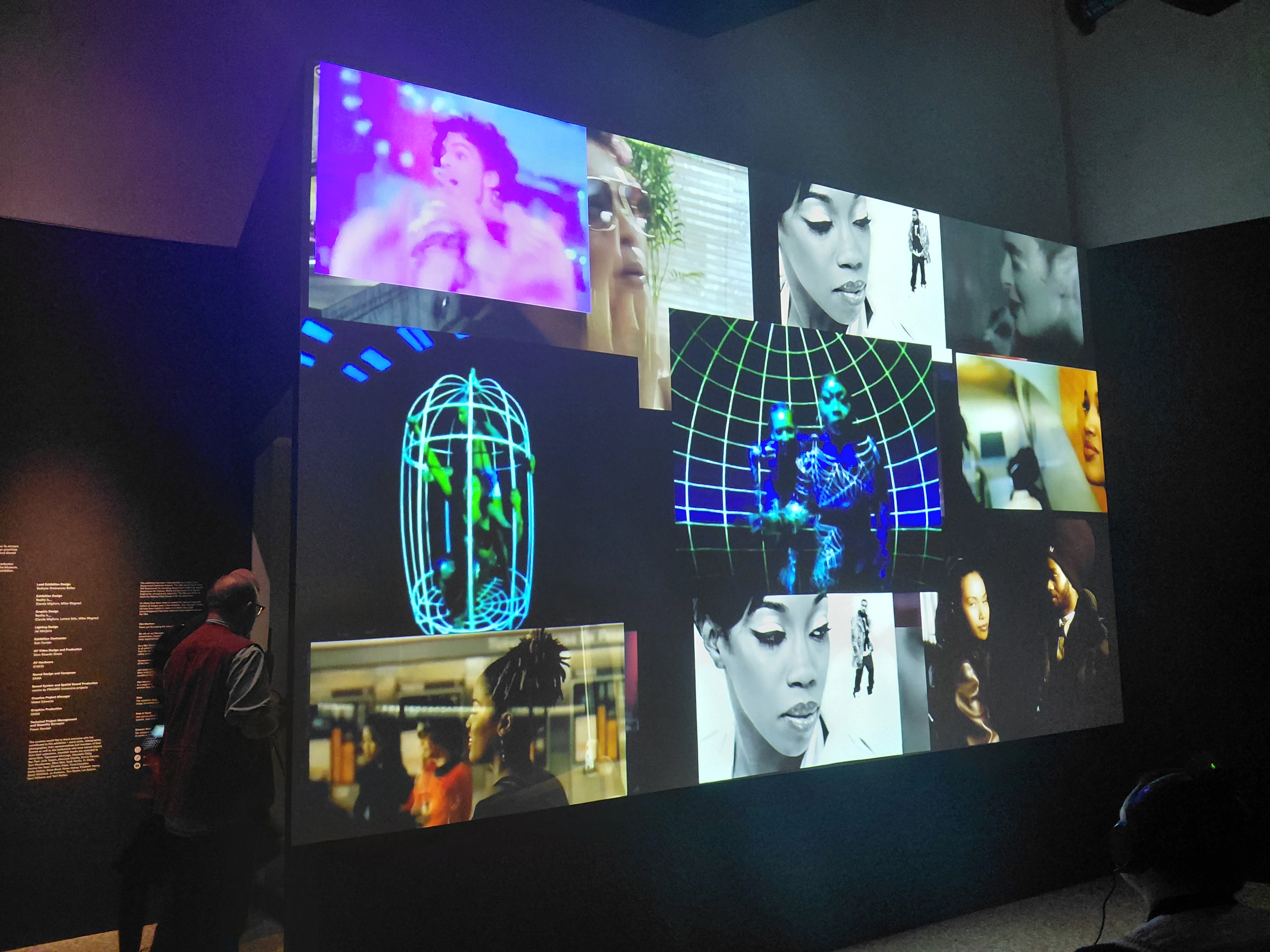
An inspiring exhibition - and an ongoing journey
Visiting The Music is Black at V&A East is an inspiring experience, celebrating the beauty, virtuosity and enduring impact of Britain’s Black musical traditions. We are proud that a small but resonant object from Reading Museum plays a part in that story. Loans like this one remind us that museum collections are not static. They travel, they connect, and they continue to generate new conversations across institutions, across communities, and across generations.
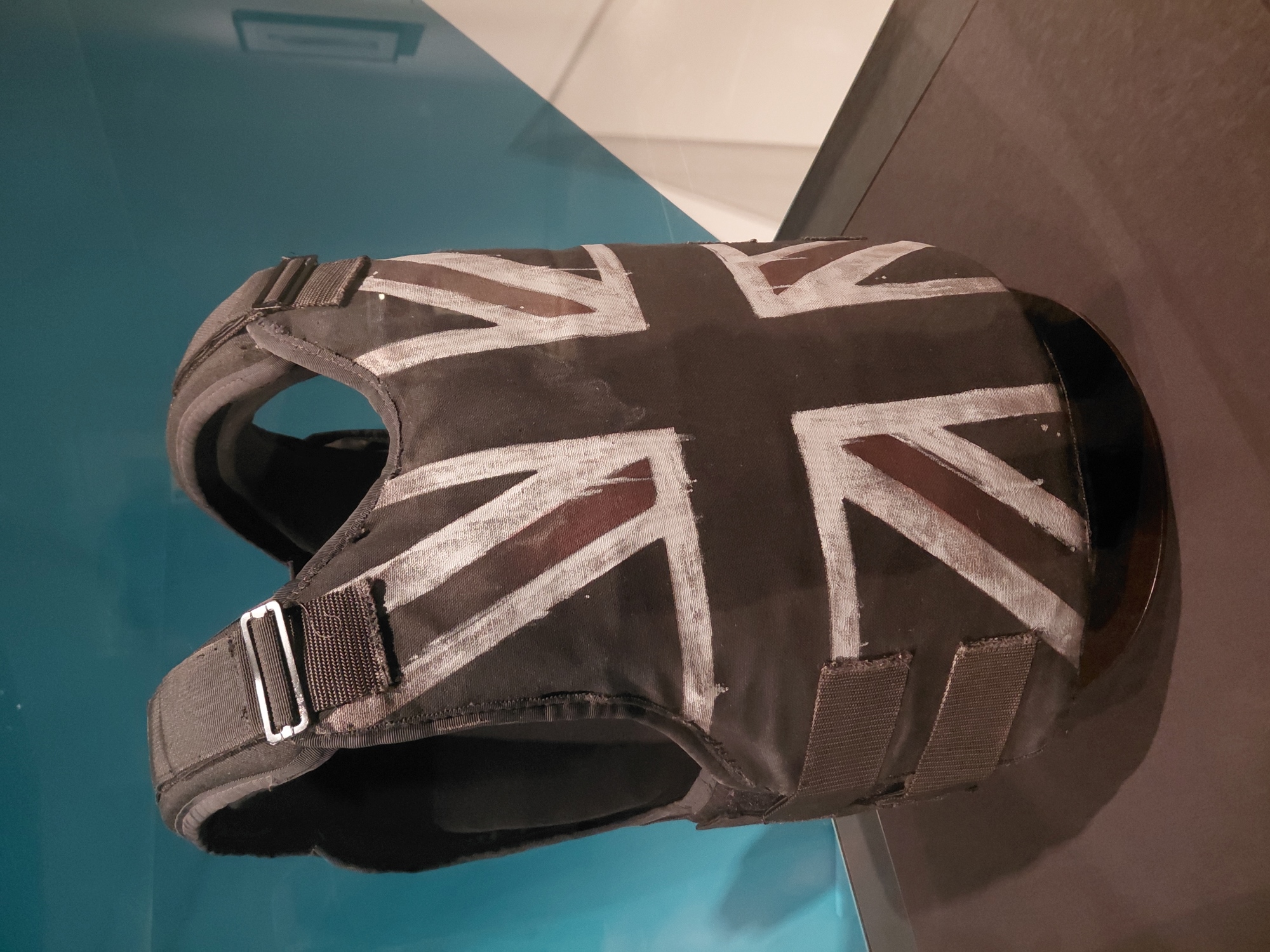
A Banksy‑designed protective vest worn by Stormzy at his Glastonbury headline performance.
The Music Is Black: A British Story continues at V&A East Museum until Sunday 3 January 2027